Categories
Architecture

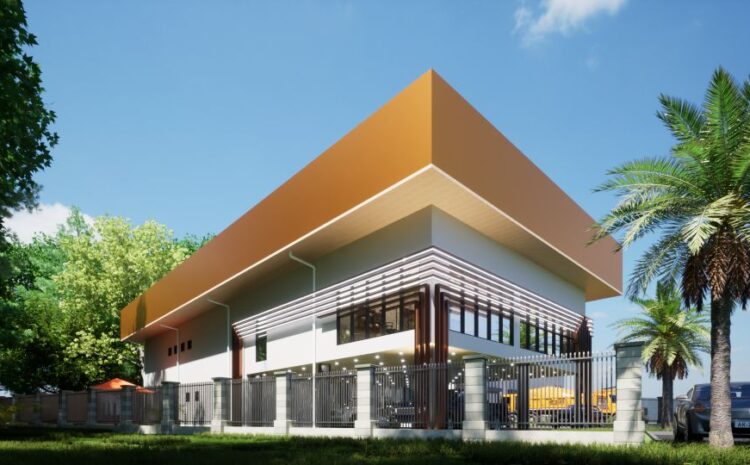
Concepts of Architecture in Modern Design

  • Sustainability: Modern architects are increasingly concerned with sustainability. They are designing buildings that use less energy and resources, and that have a smaller carbon footprint. This can be done through a variety of means, such as using recycled materials, incorporating green roofs, and designing buildings that are naturally ventilated.
  • Connectivity: Modern buildings are often designed to be connected to their surroundings. This can be done through the use of open floor plans, large windows, and outdoor spaces. This connectivity can help to create a sense of community and to improve the overall livability of the building.
  • Flexibility: Modern buildings are often designed to be flexible. This means that they can be adapted to changing needs over time. This can be done through the use of modular construction, movable walls, and adaptable furniture. Flexibility can help to make buildings more sustainable and more cost-effective.
  • Technology: Modern architects are increasingly using technology to create innovative and cutting-edge designs. This can include the use of 3D printing, parametric design, and smart materials. Technology can help to create buildings that are more efficient, more comfortable, and more visually stunning.
  • Sustainable materials: Modern architects are also increasingly using sustainable materials in their designs. This can include materials such as recycled wood, bamboo, and cork. Sustainable materials can help to reduce the environmental impact of buildings.
  • Biomimicry: Biomimicry is the process of imitating nature in design. This can be done by incorporating features from plants and animals into buildings. Biomimicry can help to create buildings that are more energy-efficient, more resilient, and more aesthetically pleasing.

These are just a few of the concepts of architecture in modern design. Modern architects are constantly pushing the boundaries of what is possible, and they are creating buildings that are more sustainable, more connected, and more flexible than ever before.

Categories
Architecture

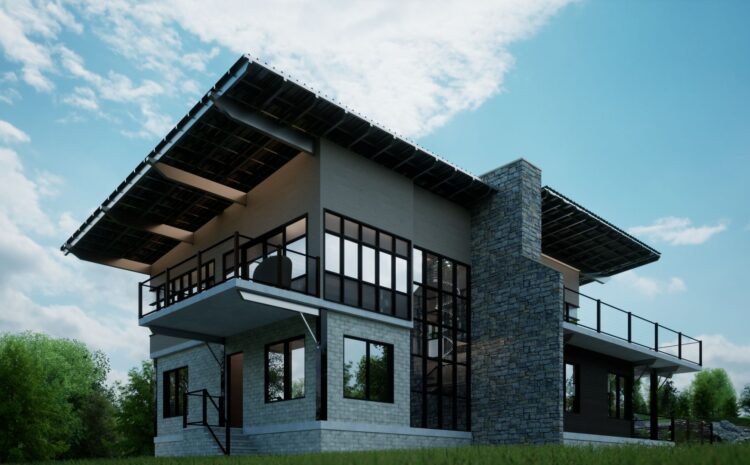
Principles of Architecture in the early 2000

The principles of architecture in 2000 were a mix of traditional and modern styles. Some of the most popular styles included:

  • Neo-Eclecticism: This style draws inspiration from many different architectural styles, often incorporating elements of Mediterranean, Tudor, Colonial, and more. It was a popular choice for residential homes in the 2000s.
    Neo-Eclecticism architecture style
    Neo-Eclecticism architecture style
  • Minimalism: This style is characterized by its simplicity and clean lines. It often uses natural materials and light to create a sense of space and openness.
    Minimalism architecture style
  • Postmodernism: This style is a reaction to the functionalism of modern architecture. It often uses playful and decorative elements to create a sense of surprise and delight.
    Postmodernism architecture style
  • Sustainability: This is a growing trend in architecture, as people become more aware of the environmental impact of buildings. Sustainable buildings are designed to use less energy and resources, and to have a smaller carbon footprint.
    Sustainable architecture style

The principles of architecture in 2000 also emphasized the importance of function, space, and light. Buildings were designed to be functional and efficient, while also providing a comfortable and inviting environment for the people who use them.

Here are some of the specific principles of architecture that were important in 2000:

  • Function: Buildings should be designed to meet the needs of their users. This includes considering the function of the building, the climate, and the surrounding environment.
  • Space: Buildings should be designed to create a sense of space and openness. This can be done by using natural light, open floor plans, and large windows.
  • Light: Natural light is an important element in architecture. It can be used to create a sense of space, to highlight architectural features, and to improve the mood and productivity of the people who use the building.
  • Proportion: The proportions of a building should be in harmony with each other. This creates a sense of balance and order.
  • Scale: The scale of a building should be appropriate for its surroundings. A large building in a small space can be overwhelming, while a small building in a large space can be lost.
  • Materials: The materials used in a building should be appropriate for its function and climate. They should also be durable and low maintenance.
  • Details: The details of a building should be carefully considered. They can add a touch of elegance or create a sense of surprise and delight.

The principles of architecture in 2000 are still relevant today. They provide a foundation for creating functional, beautiful, and sustainable buildings.